

Types of Security Equipment and What They Are Used For
March 29, 2025


 Security Information
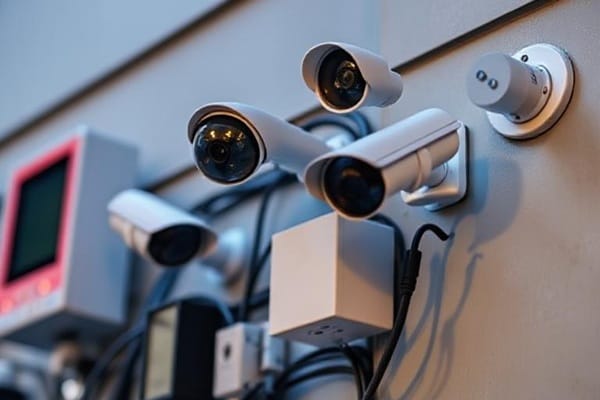
Security equipment plays a crucial role in protecting people, property, and assets from threats such as theft, vandalism, and unauthorized access. With constant advancements in technology, security systems have become more sophisticated, offering various solutions for residential, commercial, and industrial applications. Below are the most common types of security equipment and their uses.
1. Surveillance Cameras (CCTV)
Purpose: Monitoring and recording activities in a specific area.
- Dome Cameras: Used indoors and outdoors for general surveillance.
- Bullet Cameras: Ideal for long-distance viewing, often used in parking lots.
- PTZ (Pan-Tilt-Zoom) Cameras: Can rotate and zoom to track movement.
- Hidden/Spy Cameras: Used for covert surveillance.
2. Alarm Systems
Purpose: Detecting and alerting unauthorized entry or emergencies.
- Burglar Alarms: Triggered by motion sensors or door/window contacts.
- Fire Alarms: Detect smoke or heat to warn of potential fires.
- Glass Break Sensors: Detect the sound of breaking glass.
- Panic Buttons: Manually activated in emergencies.
3. Access Control Systems
Purpose: Restricting entry to authorized personnel only.
- Keycard/Badge Readers: Grant access via RFID or magnetic cards.
- Biometric Scanners: Use fingerprints, facial recognition, or retina scans.
- Keypad Locks: Require a PIN code for entry.
- Smart Locks: Controlled via smartphones or voice commands.
4. Motion Sensors
Purpose: Detecting movement in restricted areas.
- Passive Infrared (PIR) Sensors: Detect body heat and movement.
- Microwave Sensors: Emit microwaves to detect motion.
- Dual-Technology Sensors: Combine PIR and microwave for fewer false alarms.
5. Security Lighting
Purpose: Deterring intruders and improving visibility.
- Motion-Activated Lights: Turn on when movement is detected.
- Floodlights: Illuminate large outdoor areas.
- Solar-Powered Lights: Energy-efficient and wireless.
6. Security Safes & Lockboxes
Purpose: Protecting valuables and important documents.
- Fireproof Safes: Protect documents from fire damage.
- Gun Safes: Secure firearms from unauthorized access.
- Wall Safes: Hidden for discreet storage.
7. Intercom & Video Doorbell Systems
Purpose: Screening visitors before granting access.
- Audio Intercoms: Allow voice communication with visitors.
- Video Doorbells (e.g., Ring, Nest): Provide live video feeds of visitors.
8. GPS Tracking Devices
Purpose: Monitoring the location of vehicles or assets.
- Vehicle Trackers: Prevent theft and monitor fleet movements.
- Personal Trackers: Used for children, pets, or valuable items.
9. Metal Detectors & X-Ray Scanners
Purpose: Screening for weapons or prohibited items.
- Walk-Through Metal Detectors: Used in airports and high-security areas.
- Handheld Metal Detectors: For targeted inspections.
- Baggage Scanners: Detect hidden threats in luggage.
10. Cybersecurity Tools
Purpose: Protecting digital systems from hacking and data breaches.
- Firewalls: Block unauthorized network access.
- Antivirus Software: Detects and removes malware.
- Encryption Tools: Secure sensitive data.
Conclusion
Choosing the right security equipment depends on the specific needs of a home, business, or institution. A combination of surveillance, alarms, access control, and cybersecurity measures provides comprehensive protection against various threats. Investing in high-quality security systems ensures safety, peace of mind, and reduced risks of criminal activity.
Should you need any recommendations for specific security setups based on your needs then feel free to approach any of the listed security companies on Security RSA or simply list your security related business for free.
Leave a Comment